
Dr. Vishal Kundnani
MS (Ortho) FASSI, FNUS, FNAMS.Dedicated scoliosis specialist and spine surgeon in Mumbai.


Scoliosis & Scoliosis Surgery
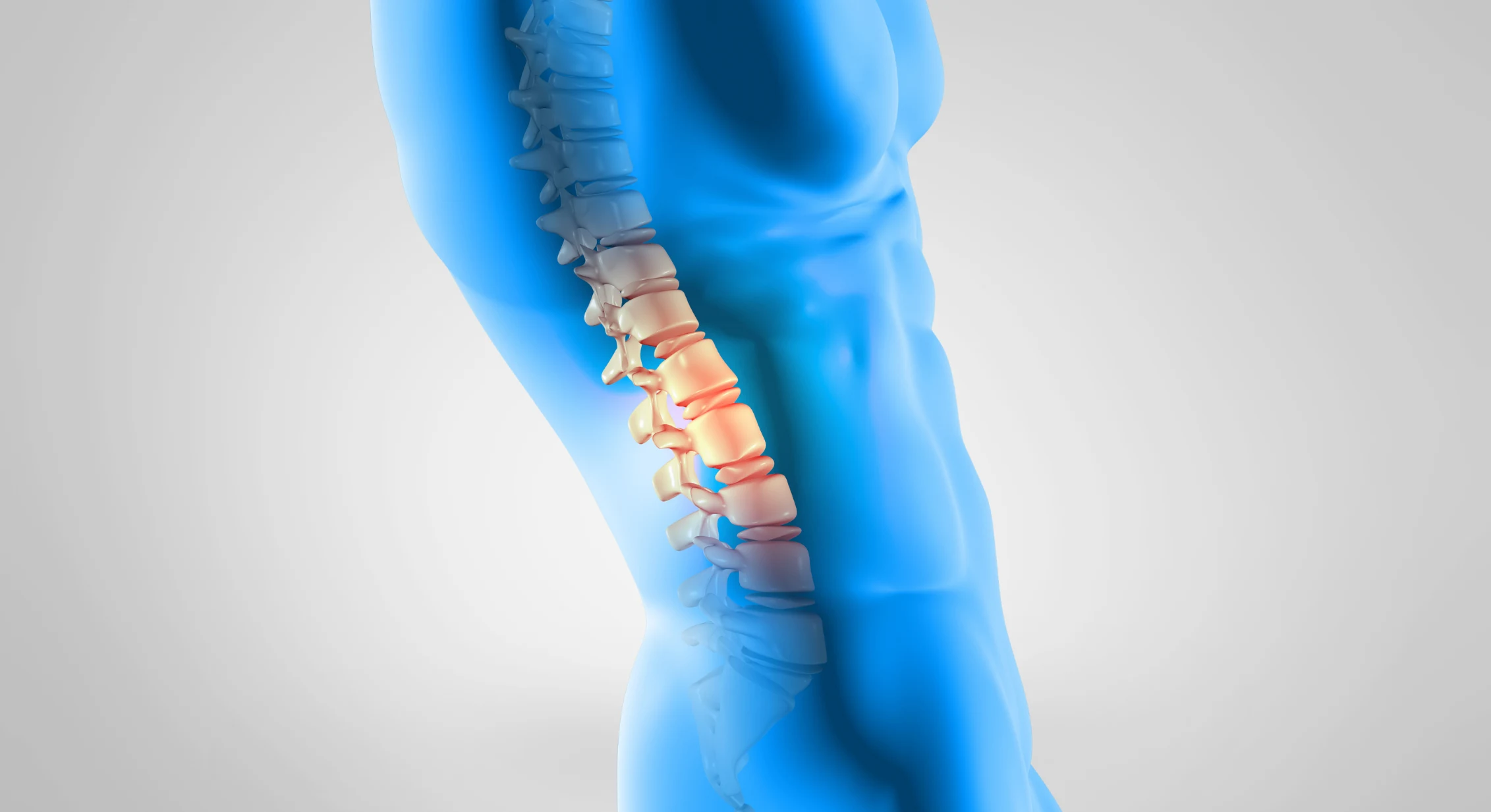
Scoliosis is a condition where the spine curves sideways instead of being straight.
Patients and parents often worry about progression, pain, and the need for surgery.
Here are the most frequently searched questions about scoliosis, answered simply and honestly.
SCOLIOSIS
1. What is scoliosis?
Scoliosis is a condition where the spine curves sideways, often forming an "S" or "C" shape. It can affect children, teenagers, and adults.
2. What causes scoliosis?
Most cases have no clear cause (idiopathic scoliosis). Other causes include congenital spine problems, neuromuscular conditions, or age-related degeneration.
3. At what age does scoliosis usually develop?
Scoliosis commonly develops during:
- Childhood
- Adolescence (growth spurts)
- Later adulthood due to degeneration
4. How do I know if I or my child has scoliosis?
Signs include:
- Uneven shoulders or hips
- One shoulder blade sticking out
- Tilted waist or body leaning to one side
5. Is scoliosis painful?
- In children, scoliosis is often painless
- In adults, it may cause back pain, stiffness, or fatigue
6. Can scoliosis get worse over time?
Yes. Curves can progress, especially during growth years or due to age-related spine changes if not monitored.
7. How is scoliosis diagnosed?
Diagnosis includes:
- Physical examination
- Standing spine X-rays
- Curve measurement (Cobb angle)
8. Can scoliosis be treated without surgery?
Yes. Mild to moderate scoliosis can be managed with:
- Observation and follow-up
- Bracing (in growing children)
- Physiotherapy and posture correction
Scoliosis Surgery
9. When is scoliosis surgery required?
Surgery is considered if:
- Curve is severe
- Curve is worsening
- Pain or deformity affects quality of life
- Breathing or function is affected
10. What does scoliosis surgery involve?
Surgery involves:
- Correcting the spinal curve
- Stabilizing the spine using rods and screws
- Preventing further progression
Learn more about spinal fusion surgery and minimally invasive spine surgery techniques.
11. Is scoliosis surgery safe?
Yes. With modern techniques and experienced surgeons, scoliosis surgery is safe and outcomes are predictable.
12. What age is best for scoliosis surgery?
- Adolescents: often during growth years if curve progresses
- Adults: when pain or disability becomes significant
Timing depends on individual factors.
13. How long does scoliosis surgery take?
Most scoliosis surgeries take:
- 4–6 hours
- Sometimes longer for complex curves
14. How long is hospital stay after scoliosis surgery?
Hospital stay is usually:
- 4–7 days
- Depending on recovery and complexity
15. How long is recovery after scoliosis surgery?
- Return to school/work: 4–8 weeks
- Full recovery: 6–12 months
Gradual rehabilitation is important.
16. Will scoliosis surgery completely straighten the spine?
The goal is significant correction and balance, not perfect straightening.
Surgery aims for function, stability, and appearance improvement.
17. Can scoliosis return after surgery?
Recurrence is uncommon when surgery is properly done and follow-up is maintained.
18. What are the risks of scoliosis surgery?
Possible risks include:
- Infection
- Bleeding
- Nerve injury
- Implant-related issues
Serious complications are rare.
19. Can adults undergo scoliosis surgery?
Yes. Adult scoliosis surgery can improve pain, posture, and quality of life when conservative treatment fails. Learn more about kyphosis and other spinal deformity treatments.
20. When should scoliosis surgery not be delayed?
Do not delay surgery if:
- Curve is rapidly worsening
- Breathing is affected
- Pain or deformity is severe
- Nerve symptoms develop
Call to Action
If scoliosis is suspected or diagnosed, timely evaluation by a spine deformity specialist like Dr. Vishal Kundnani helps guide treatment and prevent long-term complications. Consult at Bombay Hospital or Lilavati Hospital in Mumbai. Book your consultation today.
Medical Disclaimer
⚠️ This information is for educational purposes only and does not replace professional medical advice.

